
What causes foundation issues in Central Texas homes?
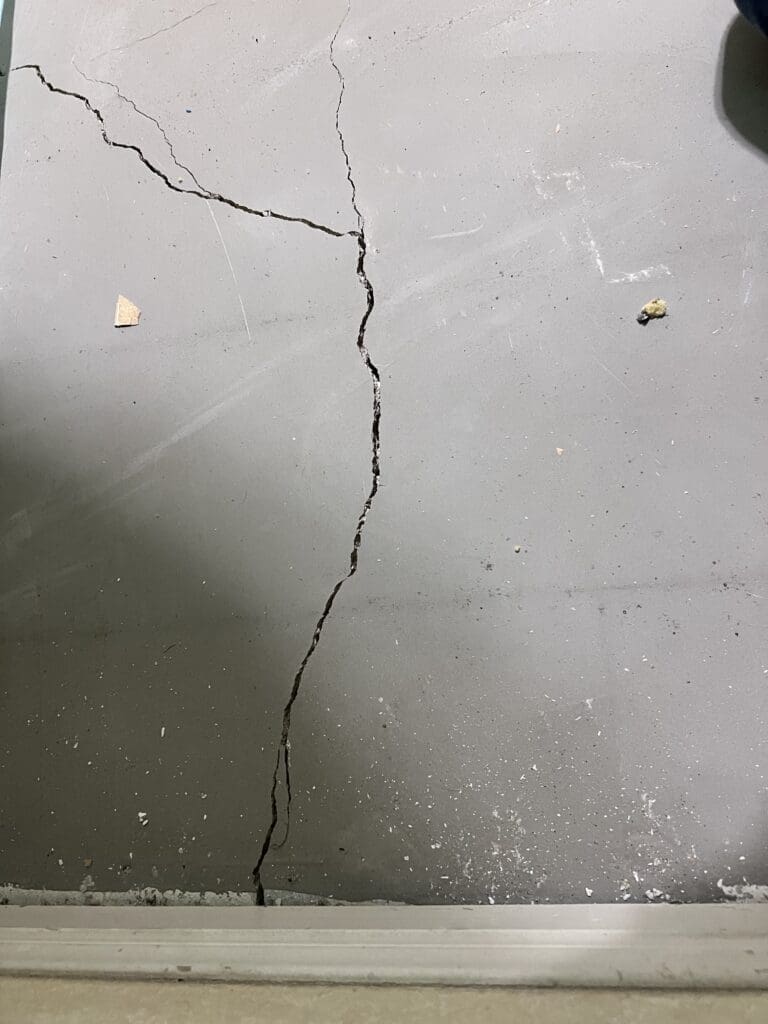
🧱 What Causes Foundation Cracks in Central Texas Homes? (Travis County & Bastrop County Guide)
SEO Title Tag:
What Causes Foundation Cracks in Central Texas? | Travis & Bastrop County Guide
Learn what causes foundation cracks in Travis County and Bastrop County, TX. Discover how Texas clay soil, moisture changes, and tree roots affect homes—and when to worry about structural damage.
If you live in Travis County or Bastrop County, Texas, foundation cracks are one of the most common home concerns. But while cracks can look alarming, they are usually caused by very specific conditions found throughout Central Texas.
Understanding the real cause is the first step in knowing whether your home needs repair—or just monitoring.
🌎 Why Foundation Cracks Are So Common in Central Texas
The primary reason homes develop foundation cracks in this region is the soil.
Central Texas is known for expansive clay soil, which constantly moves depending on moisture levels. This movement puts stress on both slab and pier and beam foundations.
Unlike stable soil types, clay soil:
- Expands when wet
- Shrinks when dry
- Shifts unevenly across different areas of the home
Over time, this constant movement leads to cracking in walls, floors, and foundations.
🧱 1. Expansive Clay Soil (Main Cause of Foundation Cracks)
The soil in Travis County and Bastrop County acts like a sponge.
What happens:
- Heavy rain → soil swells and pushes against the foundation
- Drought → soil shrinks and pulls away from the foundation
This repeated cycle causes the structure to move slightly over time.
Result:
- Interior wall cracks
- Exterior brick cracks
- Slab shifting or settling
- Pier and beam movement
👉 This is the #1 cause of foundation cracks in Central Texas homes.
🌧️ 2. Moisture Imbalance Around the Home
Uneven water distribution around your property is another major cause of foundation movement.
Common issues include:
- Poor drainage near the foundation
- Gutters dumping water too close to the home
- Sprinklers oversaturating one side of the yard
- Water pooling after heavy rain
When one side of the foundation is wetter than the other, it expands unevenly—causing structural stress and cracking.
🌳 3. Tree Roots and Soil Drying
Large trees near homes are common in Central Texas—but they can affect your foundation.
Tree roots:
- Absorb moisture from the soil
- Dry out sections of ground unevenly
- Cause soil shrinkage beneath parts of the home
This leads to uneven settlement, which often shows up as:
- Diagonal wall cracks
- Brick separation
- Sloping floors
🏠 4. Natural Foundation Settlement
All homes settle after construction, but problems occur when settlement is uneven.
In Travis and Bastrop County, shifting soil makes settlement more unpredictable.
Warning signs of problematic settlement:
- Cracks appearing within a few years of construction
- One corner of the home sinking more than others
- Doors or windows sticking suddenly
🔨 5. Construction and Drainage Issues
Some foundation problems begin during construction.
Common contributing factors:
- Poor soil compaction before building
- Improper grading around the home
- Shallow or inconsistent footing depth
- Inadequate drainage planning
These issues may not show immediately—but Central Texas soil eventually exposes them.
🌡️ 6. Extreme Weather Cycles in Central Texas
Homes in Travis County and Bastrop County are exposed to rapid climate changes:
- Long dry periods
- Sudden heavy rainstorms
- Hot summers with high evaporation
This constant expansion and contraction cycle accelerates soil movement and foundation stress.
⚠️ When Foundation Cracks Become a Problem
Not all cracks require immediate repair—but some are warning signs of structural movement.
🟡 Usually minor:
- Hairline drywall cracks
- Small corner cracks
- Surface plaster cracks
🔴 Potential structural issues:
- Cracks wider than 1/8 inch
- Stair-step cracks in brick
- Diagonal cracks near doors/windows
- Cracks that grow over time
- Doors or windows suddenly sticking
🧠 Why This Matters in Travis & Bastrop County
Homes in this region are under constant soil pressure changes, meaning foundation movement is often ongoing—not a one-time event.
Without early attention:
- Small cracks can spread
- Structural movement can worsen
- Repair costs can increase significantly
Early inspection is the key to preventing major damage.
🧱 Foundation Inspection in Travis County & Bastrop County, TX
If you’ve noticed cracks or signs of movement, a professional inspection can determine:
- Whether the issue is cosmetic or structural
- How much movement has occurred
- What type of repair (if any) is needed
Most inspections in Central Texas are quick, non-invasive, and can prevent costly repairs later.
📞 Final Takeaway
Foundation cracks in Central Texas homes are most often caused by:
- Expansive clay soil movement
- Moisture imbalance around the property
- Tree root activity
- Extreme weather cycles
The cracks themselves are only symptoms—the real issue is what’s happening beneath the home.
🧱 Serving Travis County & Bastrop County, TX
If you’re unsure about cracks in your home, don’t wait until they worsen. Early evaluation can save thousands in repairs and protect your home’s long-term stability.